

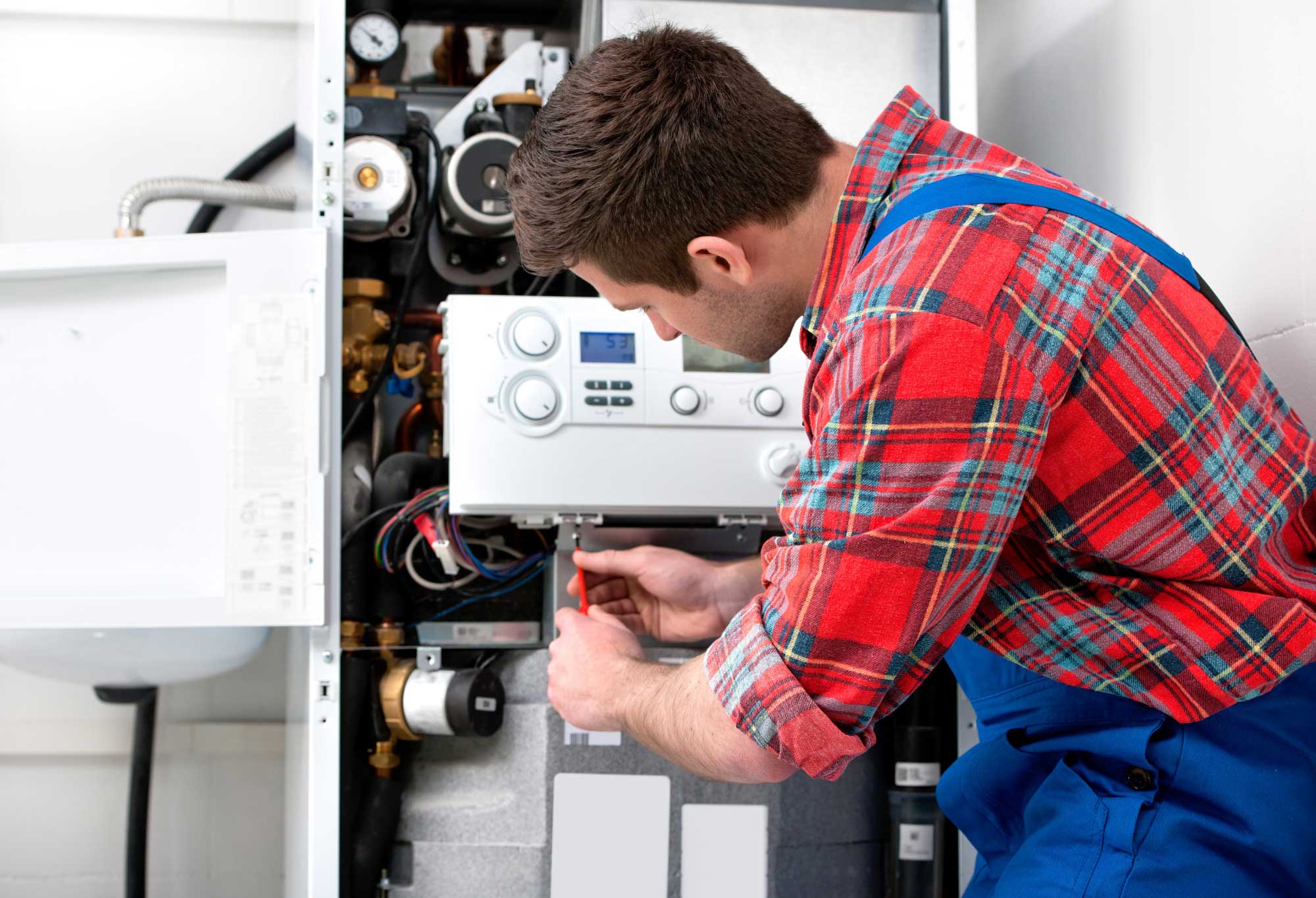

Commercial heating systems are essential for maintaining a productive, safe, and comfortable working environment throughout the year. From office buildings and retail spaces to warehouses and hospitality venues, businesses rely heavily on efficient heating equipment to support daily operations and control energy costs. Poorly maintained systems can lead to rising utility bills, uneven indoor temperatures, unexpected breakdowns, and costly repairs that disrupt business performance.
This is why professional heating service solutions have become increasingly important for modern commercial properties. Regular maintenance, system inspections, and energy-efficient upgrades help businesses improve heating performance while extending equipment lifespan. As energy prices continue to rise, investing in reliable commercial heating maintenance can support long-term cost savings, workplace comfort, and improved operational efficiency for businesses of every size.
Why Commercial Heating Systems Require Professional Attention
Commercial heating systems are far more complex than residential units. They often operate across larger spaces, run for longer hours, and support multiple zones within one building. Because of this, even small performance issues can affect overall efficiency and increase running costs.
Professional technicians understand how to assess large-scale systems safely and effectively. They can identify worn components, airflow restrictions, thermostat faults, or ventilation issues that may otherwise go unnoticed. Businesses that rely on routine servicing are often better prepared for seasonal temperature changes and less likely to experience unexpected breakdowns during colder months.
Regular inspections can also help companies remain compliant with health and safety requirements, particularly in industries where indoor temperature control is essential for staff or customer wellbeing.
Common Problems Found in Commercial Heating Systems
Commercial heating equipment experiences constant wear, especially in busy buildings where systems operate throughout the day. Over time, this can lead to performance issues that reduce efficiency and reliability.
Some of the most common heating problems include:
- Uneven heating throughout the building
- Poor airflow or blocked ductwork
- Rising energy consumption
- Faulty thermostats or sensors
- Strange noises from boilers or furnaces
- Short cycling or frequent shutdowns
- Delayed heating response times
Ignoring these warning signs can lead to larger mechanical failures. In some cases, neglected systems may require complete replacement earlier than expected. Early intervention is usually more affordable and less disruptive than emergency repairs.
The Financial Benefits of Preventive Maintenance
Many businesses focus on reducing operational costs wherever possible. Heating efficiency is one area where regular maintenance can make a noticeable difference. Poorly maintained systems often work harder to produce the same level of heat, increasing energy usage and utility expenses.
Professional servicing helps equipment operate more efficiently by cleaning components, checking airflow, testing controls, and ensuring proper system calibration. According to energy industry studies, well-maintained commercial HVAC systems can improve energy efficiency by up to 15%.
Preventive maintenance also reduces the risk of emergency repair costs. Unexpected heating failures may interrupt trading hours, affect customer experience, or create uncomfortable working conditions for staff. Routine maintenance lowers the likelihood of sudden breakdowns and helps businesses avoid unnecessary disruptions.
Another important benefit is equipment longevity. Commercial heating systems represent a significant investment, and regular servicing can help extend operational lifespan while delaying replacement costs.
How Heating Performance Impacts Workplace Comfort
Indoor comfort directly affects productivity and customer satisfaction. Employees working in cold or inconsistent temperatures may find it harder to concentrate, while customers are less likely to remain in uncomfortable commercial environments for long periods.
Temperature consistency is particularly important in sectors such as hospitality, healthcare, retail, and office-based businesses. Reliable heating creates a more professional and welcoming environment for both staff and visitors.
Professional providers can assess whether a system is properly sized and balanced for the building. In many cases, airflow adjustments or system upgrades can improve comfort without significantly increasing energy usage.
Businesses that prioritise indoor climate control often experience improved staff morale and a better overall customer experience.
Signs It May Be Time for a System Upgrade
Even with regular maintenance, older heating systems eventually become less efficient. Ageing equipment may struggle to meet heating demands, particularly during winter months when usage increases.
Some signs that a commercial system may need upgrading include:
Rising Energy Bills
Older units often consume more energy due to outdated technology and reduced efficiency.
Frequent Repairs
If repair costs continue to increase year after year, replacement may be more cost-effective.
Inconsistent Heating
Uneven temperatures across different parts of the building can indicate system decline.
Excessive Noise
Loud operation or unusual sounds may suggest worn internal components.
Poor Air Quality
Older systems sometimes struggle to maintain proper airflow and ventilation standards.
Modern commercial heating technology is generally more energy efficient and easier to control. Many newer systems also include smart controls that allow businesses to monitor energy usage and adjust settings remotely.
Choosing the Right Commercial Heating Partner
Selecting the right service provider is an important decision for any business. Commercial properties require technicians with the right qualifications, experience, and understanding of large-scale systems.
Businesses should look for providers that offer:
- Commercial heating experience
- Emergency repair support
- Preventive maintenance plans
- Energy-efficiency advice
- Transparent pricing
- Qualified and certified engineers
Strong communication and reliable response times are equally important. Heating issues can affect daily operations quickly, so businesses benefit from working with professionals who can provide prompt support when needed.
A long-term maintenance partnership often delivers better results than relying solely on emergency callouts. Regular servicing schedules help identify potential issues early and support more predictable operating costs.
The Growing Importance of Energy Efficiency
Energy efficiency has become a priority for many commercial organisations. Rising utility prices and environmental concerns are encouraging businesses to invest in smarter building management strategies.
Heating systems account for a significant portion of energy use in many commercial buildings. Improving system performance can help reduce overall carbon emissions while supporting sustainability goals.
Modern heating controls, zoning systems, and energy-efficient equipment allow businesses to maintain comfortable indoor conditions while reducing waste. Simple improvements such as scheduled servicing, thermostat calibration, and airflow balancing can also contribute to lower energy consumption.
As environmental regulations continue to evolve, businesses that maintain efficient heating systems may find it easier to meet future compliance requirements.
Conclusion
Commercial heating systems play a critical role in business operations, employee comfort, and energy management. Waiting until problems develop can lead to expensive repairs, higher utility costs, and avoidable disruptions. Professional maintenance and regular inspections help businesses improve efficiency, extend equipment lifespan, and maintain consistent indoor comfort throughout the year.
Investing in reliable commercial heating support is not only about preventing breakdowns. It is also about creating a safer, more comfortable, and more energy-efficient working environment. Businesses that prioritise routine servicing and system performance are often better positioned to control operating costs and avoid unexpected heating issues during colder seasons.