

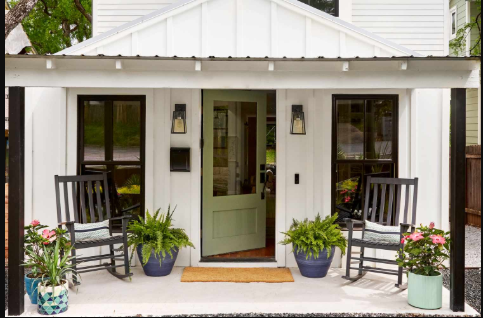

Key Takeaways
- Plan exterior painting around Springdale’s heat, rain, humidity, and changing weather.
- Proper cleaning, repairs, drying, and priming are essential for a lasting finish.
- Choose paint colors and products based on surface type and sun exposure.
- Schedule regular inspections to catch peeling, moisture, cracks, and fading early.
- Professional help can be valuable for extensive repairs, difficult access, or complex surfaces.
Exterior painting in Springdale is not just a color decision. Heat, humidity, rain, storms, pollen, and bright summer sun all affect how well a coating adheres and how long it stays attractive. A successful project begins with a realistic weather plan, thorough preparation, and products suited to the surface being painted.
For homeowners who want local project guidance, house painters Springdale is a useful service page from Schneider Painting, a family-owned painting company serving Springdale and nearby Northwest Arkansas communities. The company offers residential and commercial painting, including exterior coatings for siding, trim, decks, and fences, as well as drywall repair, texture work, and cabinet refinishing. That local focus matters when planning around the area’s changing conditions.
Why Springdale Weather Matters to Exterior Paint
Paint creates a protective film, but that film can only do its job when it is applied to a clean, dry, stable surface. Moisture trapped beneath paint may contribute to peeling, blistering, mildew, or soft wood. Excessive heat can make paint dry too quickly, leaving lap marks or reducing the time it has to bond properly. Strong sunlight can gradually fade exposed colors, while wind-driven rain can push moisture into vulnerable joints around trim, windows, and siding.
Northwest Arkansas homeowners also need to plan for abrupt shifts in weather. The City of Fayetteville notes that Arkansas has experienced more frequent heat waves, intense rainfall, and severe storms, conditions that can place additional stress on exterior building materials. Understanding changing precipitation patterns in Arkansas helps explain why a paint schedule should allow drying time before and after rain.
Choose the Right Time of Year
The best painting window is not tied to one calendar month. Instead, look for moderate temperatures, dry surfaces, manageable humidity, and a forecast that gives primer and paint enough time to cure. Always follow the temperature and moisture requirements printed on the specific product label.
- Spring: Spring can offer comfortable temperatures, but rain, storms, pollen, and wide temperature swings require close monitoring of forecasts. Wash pollen from surfaces and allow extra drying time after showers.
- Summer: Long days can help crews work more efficiently, but direct sunlight and high heat pose challenges. Start on the shaded sides of the home and avoid painting hot siding during the hottest hours of the afternoon.
- Fall: Fall often provides favorable painting conditions, though cool nights, falling leaves, and shorter days can limit the work window. Schedule early enough to avoid late-season cold snaps.
- Winter: Exterior work is possible only during suitable warm, dry stretches. Cold surfaces, dew, and limited daylight make winter the least predictable season for major painting projects.
Account for Sun Exposure Before Picking Colors
South- and west-facing walls usually receive the strongest afternoon sun, so they often show fading and weathering sooner than shaded elevations. Dark colors absorb more heat, which can place greater stress on certain materials, particularly vinyl siding. If a homeowner wants a dark color, it is important to confirm that both the siding manufacturer and paint manufacturer approve the selected shade.
Lighter colors are not the only good option, but they can be practical on heavily exposed walls. The U.S. Environmental Protection Agency explains that light-colored paints and coatings can make exterior walls more reflective, reducing solar heat gain in some situations. Sample colors should be tested on multiple sides of the house because the same shade can look very different in open afternoon sun, tree cover, or beside brick and stone.
Surface Preparation Comes Before Color Choice
Premium paint cannot compensate for loose coatings, damp wood, chalky siding, failed caulk, or organic growth. Preparation takes time, but it is usually the biggest factor in whether a finish lasts.
- Inspect siding, trim, soffits, decks, fences, and painted masonry for damage.
- Wash away dirt, mildew, pollen, cobwebs, and loose debris.
- Scrape peeling or flaking paint and sand rough edges smooth.
- Repair cracks, nail holes, damaged boards, and minor masonry defects.
- Replace rotted wood rather than coating over it.
- Caulk joints where appropriate, while avoiding areas designed for drainage or ventilation.
- Prime bare wood, repaired areas, stains, and exposed metal with a compatible primer.
- Confirm that every surface is fully dry before applying paint.
Match the Coating to the Surface
Vinyl, Wood, and Fiber Cement
Vinyl siding needs a paint formulated for vinyl, and the color should stay within the siding manufacturer’s approved light-reflectance range. Wood siding requires close moisture checks, scraping, spot priming, and attention to end grain and joints. Fiber cement generally benefits from clean edges, sound caulking, and even coverage that seals exposed or repaired areas without clogging intended gaps.
Brick, Masonry, Trim, Decks, and Fences
Brick and masonry require compatible, breathable products that allow moisture vapor to move rather than becoming trapped behind a dense coating. Trim and shutters can carry a stronger contrast color, but limiting dark accents to doors, shutters, or smaller architectural details keeps the exterior balanced. For decks and fences, choose paint or stain based on sun exposure, foot traffic, wood condition, and how often you are willing to maintain the surface.
Create a Simple Northwest Arkansas Color Plan
A good exterior palette usually has one main field color, one trim color, and one or two smaller accents. Warm white siding with charcoal or deep green trim offers classic contrast. Soft gray with bright white trim feels clean and flexible. Muted green with natural wood accents can complement established landscaping, while clay, sand, and taupe tones often work well beside brick or stone. Dark blue, black, or deep green can add personality to a front door without overwhelming the entire home.
When Professional Help Makes Sense
A weekend repaint may be manageable when surfaces are sound, and access is easy. Consider professional help for widespread peeling, mildew that returns after cleaning, rotting trim, damaged siding, high walls, complicated masonry, or old coatings that may need special handling. A qualified crew can also provide a coordinated prep plan, protect landscaping and walkways, schedule around weather, and explain the products and number of coats included in the estimate.
Questions to Ask Before Hiring a Painting Crew
- What surface preparation is included before painting begins?
- How will rain, humidity, and temperature changes affect scheduling?
- Which primer and finish products are recommended for this siding or masonry?
- How will bare wood, stains, cracks, and mildew be treated?
- How many coats are included, and how will landscaping be protected?
- Does the written estimate include repairs, cleanup, touch-ups, insurance information, and warranty details?
Springdale Exterior Paint Maintenance Checklist
Inspect the exterior twice each year, ideally after spring storms and again before winter. Look for peeling, bubbling, cracking, fading, chalkiness, and open caulk. Check beneath gutters and roof edges for moisture marks, trim branches that rub against siding, and clean organic growth before it spreads. Keep a record of paint colors, products, dates, and repaired areas so future touch-ups are easier. Addressing small defects early helps protect the home and extends the life of the finish through Springdale’s changing seasons.