


Key Takeaways
- A durable Chicago concrete floor begins with the condition of the slab, not the finish color.
- Moisture, cracks, salt residue, old sealers, and uneven areas should be addressed before installation.
- Surface preparation is a major factor in whether a coating, overlay, or other finish bonds properly.
- The right floor system depends on traffic, safety needs, cleaning habits, and how the space is used.
- A written plan helps account for repairs, curing time, weather conditions, and future maintenance.
Concrete floors in Chicago garages, basements, workshops, and commercial spaces face a demanding mix of daily use, road salt in winter, moisture, and fluctuating temperatures. A successful upgrade starts with a clear understanding of the slab and its environment, rather than choosing a finish based on appearance alone.
Budgeting should also account for the full scope of work, including repairs, preparation, materials, and downtime. A Chicago epoxy flooring price guide can help homeowners compare the factors that commonly affect a project estimate before selecting a system or scheduling installation.
Table of Contents
- Set Clear Project Goals
- Check the Condition of the Concrete
- Test for Moisture Before Installation
- Plan the Surface Preparation
- Compare Flooring Options
- Match the Floor to the Space
- Build a Realistic Project Schedule
- Create a Simple Maintenance Plan
- Avoid Common Planning Mistakes
- Frequently Asked Questions
Set Clear Project Goals
Start by defining what the finished floor must handle. A garage may need resistance to tire marks, deicing salt, oil drips, and dropped tools. A basement may need moisture management and a more comfortable finished appearance. A workshop may prioritize traction, stain resistance, and quick cleanup.
- Will the floor support vehicles, storage racks, carts, or equipment?
- Will water, oil, cleaners, or other chemicals regularly reach the surface?
- Is the goal a polished look, a decorative flake finish, or a practical work surface?
- How long can the room remain unavailable during preparation and curing?
Check the Condition of the Concrete
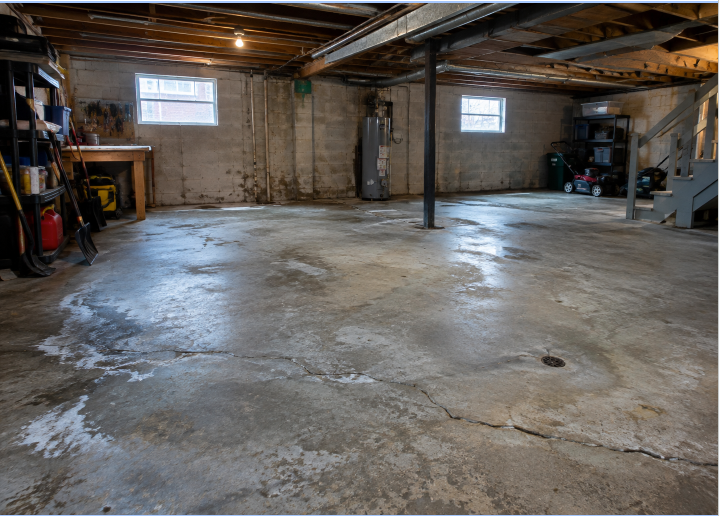
A new floor finish cannot solve every issue below it. Inspect the slab under good lighting for cracks, pitting, flaking concrete, stains, old paint, failing coatings, and low or uneven areas. In Chicago garages, salt-laden meltwater can leave behind surface damage that should be repaired before it is sealed beneath a new system.
It is also important to distinguish a stable surface flaw from an active problem. A narrow, unchanged crack may be repairable as part of preparation. A widening crack, an area that moves, or recurring water entry may require closer evaluation before finishing work begins.
Test for Moisture Before Installation
Concrete can release moisture vapor even when its surface appears dry. If that moisture is incompatible with the chosen flooring system, it can contribute to poor adhesion, bubbling, discoloration, or flooring failure. This is especially important for below-grade basements, older homes, and slabs with drainage or plumbing concerns.
Resolve active leaks, foundation water entry, plumbing problems, and drainage issues before applying a coating or installing finished flooring. Moisture testing should align with the product requirements, since different systems may have varying limits and preparation instructions.
Plan the Surface Preparation
Preparation creates the clean, sound surface that a new floor needs. Depending on the slab, the work may include mechanical grinding, removal of weak concrete, crack repair, stain treatment, joint treatment, and thorough dust collection. For below-grade projects, managing moisture and preparing the surface should happen before choosing a decorative finish.
- Remove stored belongings, loose debris, and old floor coverings.
- Inspect the exposed slab for damage, contaminants, and previous coatings.
- Remove loose concrete and poorly bonded materials.
- Repair cracks, pits, holes, and damaged edges as appropriate.
- Eliminate dust, oil, wax, and other materials that can interfere with bonding.
- Confirm that the prepared surface meets the requirements of the selected system.
Compare Flooring Options
There is no single best finish for every Chicago concrete floor. The most practical choice depends on the condition of the slab, the purpose of the room, the desired appearance, and the level of maintenance the owner can reasonably provide.
- Coated concrete: Useful for garages, utility rooms, and workspaces that need a sealed, easy-to-clean surface.
- Polished concrete: Can suit open commercial or residential areas when the existing slab has an appearance worth exposing.
- Tile: Offers design flexibility and can be practical where water resistance and replaceable sections are important.
- Resilient flooring: Often adds comfort underfoot for finished basement living areas.
- Concrete overlays: May improve the appearance of a structurally sound slab without full replacement. Overlays placed over existing concrete illustrate the broader principle of renewing a serviceable base rather than replacing it unnecessarily.
Match the Floor to the Space
Performance should guide the finish choice. A high-gloss floor can brighten a room, but it may become less comfortable to walk on when wet unless the system includes an appropriate traction solution. Textured finishes can improve grip, while smoother finishes are often easier to sweep and mop.
- Slip resistance when wet
- Impact and abrasion resistance
- Resistance to oils, stains, and cleaning products
- Light reflectivity and visibility
- Noise, comfort, and foot traffic
- Cleaning requirements and expected vehicle traffic
Build a Realistic Project Schedule
A floor project includes more than the application day. Allow time for moving belongings, slab repairs, preparation, material application, drying, curing, ventilation, and returning vehicles or furniture. Rushing heavy use before the system has cured can damage a new floor that otherwise received careful installation.
Chicago weather can also affect projects in unconditioned garages or spaces with limited ventilation. Indoor temperature, humidity, and the manufacturer’s installation requirements should be considered when selecting dates and planning access to the room.
Create a Simple Maintenance Plan
Routine care helps a finished floor retain its appearance and reduces abrasive wear. Grit tracked in from sidewalks, driveways, and garage entrances can scratch or dull many surfaces over time, so regular sweeping is a practical first step.
- Sweep or dust-mop high-traffic areas regularly.
- Clean spills before they dry or spread.
- Use entry mats near doors and work areas.
- Use protective pads beneath movable furniture and equipment.
- Inspect joints, edges, and high-use areas seasonally.
- Follow the cleaner and maintenance recommendations for the specific flooring system.
Avoid Common Planning Mistakes
- Do not coat or cover a slab with active water intrusion.
- Do not assume every crack is merely cosmetic.
- Do not compare flooring products without comparing their preparation requirements.
- Do not overlook old sealers, paint, grease, or weak concrete.
- Do not place heavy items on a new floor before the required curing period ends.
- Do not choose color, gloss, or texture without considering daily use and traction needs.
Frequently Asked Questions
Can any concrete floor be coated?
Many concrete slabs can receive a coating or finish, but the surface must be stable, clean, and compatible with the selected system. Severe damage, weak concrete, or moisture problems may need correction first.
How can a homeowner spot possible basement moisture issues?
Musty odors, damp areas, peeling paint, white mineral deposits, and recurring puddles can indicate a moisture concern. Testing and investigating the cause provide more useful information than relying on appearance alone.
Is a smooth floor better than a textured floor?
Neither is automatically better. Smooth surfaces can be easier to clean, while textured surfaces may offer better traction. The right option balances safety, maintenance, and the room’s intended use.
Should old coatings be removed before a new floor is installed?
Failing or poorly bonded coatings should generally be removed. An existing sound layer may sometimes be incorporated into a new system, but it requires proper evaluation and preparation.
Conclusion
A lasting concrete floor upgrade in Chicago begins with planning, inspection, and preparation. When moisture is addressed, the slab is repaired, the finish suits the space, and curing time is respected, the final floor is better positioned to handle everyday use for years to come.