


Key Takeaways
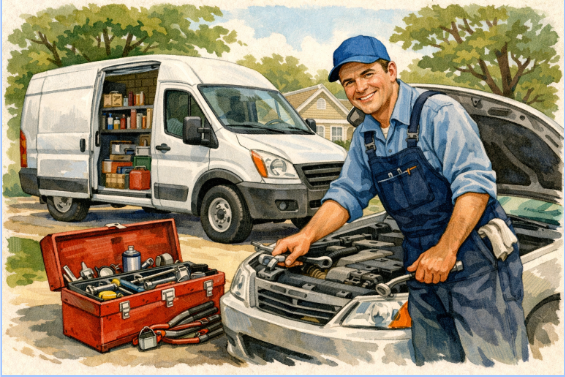
- Mobile auto repair services offer unparalleled convenience by bringing maintenance directly to consumers.
- Technological advancements have enabled comprehensive on-site repairs, challenging traditional service centers.
- Both independent providers and established dealerships are adopting mobile services to meet evolving customer expectations.
Table of Contents
- Introduction
- The Rise of Mobile Auto Repair Services
- Technological Advancements Facilitating Mobile Repairs
- Impact on Traditional Service Centers
- Consumer Benefits of Mobile Auto Repair
- Challenges and Considerations
- Future Outlook
- Conclusion
Introduction
The automotive repair industry is experiencing a transformative shift with the emergence of mobile auto repair services. Instead of traveling to a fixed garage and dealing with long wait times, consumers can now have their vehicles serviced wherever it is most convenient, whether at home or at work. Leading car repair and maintenance service providers have adapted to this trend, empowering customers to prioritize their schedules without neglecting essential vehicle care.
This new model is changing how people approach car maintenance, making the entire experience more adaptable to the fast-paced world we live in. By bringing the mechanic to the customer, mobile auto repair is redefining expectations and setting new standards for efficient, customer-first service in the automotive industry.
Not only are independent mechanics embracing this model, but well-established dealerships are also offering mobile options to retain and attract a broader market segment. The popularity of these services is driven by technological advances that enable on-site diagnostics and repairs once considered too complex for remote work.
As more consumers seek streamlined and convenient automotive care, businesses that adapt to this new paradigm are likely to stand out from the competition. For additional insights on how technology shapes modern auto repair, visit this Forbes article on technology in auto repair.
The Rise of Mobile Auto Repair Services
The growing appeal of mobile auto repair is clear. Busy professionals, working parents, and fleet managers alike appreciate the ability to schedule car maintenance at their own convenience. Companies like YourMechanic have successfully scaled their operations by offering diagnostics, oil changes, brake services, battery replacements, and even complex repairs right at the customer’s doorstep. This flexibility reflects a broader trend toward on-demand, location-independent services in many industries.
The Covid-19 pandemic accelerated the adoption of these services as customers sought to limit in-person interactions and avoid crowded waiting rooms. Mobile mechanics responded quickly, providing contactless payment options and strictly adhering to safety protocols. According to the New York Times, this shift in consumer behavior is having a lasting effect, pushing even traditionally conservative auto service providers to expand into the mobile sector.
Technological Advancements Facilitating Mobile Repairs
One of the main drivers of mobile auto repair’s success is the rapid development of technology. Portable diagnostic scanners, high-capacity battery packs, and compact tool sets allow technicians to perform an impressive range of services outside the traditional shop environment. For example, Curbee offers a platform that enables car dealerships to send certified technicians directly to clients, delivering dealership-level service without a physical visit.
Mobile repair vans are now equipped with advanced software and hardware that can communicate with a car’s onboard computer system, quickly pinpointing issues and streamlining the repair process. In addition, improvements in scheduling and payment apps make it easier for customers to book appointments, pay online, and track service history, all from their smartphones.
Impact on Traditional Service Centers
The disruption caused by mobile repair options is prompting many traditional garages and dealerships to rethink their business models. Recognizing the growing demand for convenience, some have launched their own mobile divisions or partnered with specialized service providers. A notable example is Christian Brothers Automotive’s On Location service, which sends technicians to homes or offices in select markets to perform routine maintenance and minor repairs.
While mobile services have not completely replaced brick-and-mortar shops, they have influenced expectations across the industry. Service centers are incorporating elements of flexibility, digital engagement, and personalized care to compete with the growing sector of remote repair providers.
Consumer Benefits of Mobile Auto Repair
Mobile auto repair brings several clear benefits to today’s car owners:
- Convenience: Customers can choose the time and place for service, greatly reducing the hassle of fitting auto care into a busy schedule.
- Time Efficiency: Eliminates unnecessary travel and waiting-room downtime, letting customers get on with their day while the work is completed.
- Personalized Service: Direct interaction with technicians fosters trust, transparency, and tailored advice for each vehicle and driver.
Challenges and Considerations
Despite the strong advantages of mobile auto repair, a few challenges remain:
- Limited Services: Repairs involving large specialty equipment or intensive diagnostics may still require a shop environment with heavy machinery and lifts.
- Weather Dependency: Outdoor work is subject to variables such as rain, wind, and excessive heat, which can delay or complicate repairs.
- Regulatory Compliance: Technicians must remain compliant with local, state, and federal regulations regarding vehicle repairs and proper waste disposal.
Future Outlook
The rise of mobile auto repair shows no signs of slowing. As vehicles become increasingly sophisticated, on-site diagnostics and repairs will expand. Emerging trends such as connected car technology and artificial intelligence are likely to make remote diagnostics more precise. At the same time, innovations in portable power and equipment will expand the range of services available on the go.
Industry analysts predict that both large dealerships and nimble independent providers will continue rolling out mobile offerings in response to consumer demand for faster, easier, and safer car care solutions. Greater integration between app-based scheduling services, digital vehicle records, and technician mobility will set the stage for the next evolution in automotive maintenance.
Conclusion
Mobile auto repair is revolutionizing how people manage their vehicle maintenance by prioritizing convenience, transparency, and efficiency. Although challenges like weather disruptions and regulatory hurdles persist, ongoing advancements in technology and customer service are driving rapid growth. As adoption continues, mobile services have the potential to transform automotive care into a seamless, customer-centric experience for everyone.