


By late August, many homeowners start looking ahead to cooler weather, holiday gatherings, and the long list of projects they want completed before the end of the year. That makes early fall one of the busiest periods for contractors.
Outdoor work needs to be finished before temperatures drop and weather becomes less predictable. In contrast, indoor renovations often become a priority as families prepare to spend more time at home. Contractors can also become harder to schedule as demand increases.
If you have projects on your list, waiting until September or October to make the first call may leave you with fewer scheduling options. Planning now can make it easier to coordinate work, materials, inspections, and final details before the holiday season arrives.
Why Late August Is the Right Time to Plan
Fall projects often require more lead time than homeowners expect. A contractor may need to visit the property, provide an estimate, order materials, secure permits, or coordinate subcontractors before work can begin.
The calendar can become especially crowded when several homeowners in the same area are trying to complete similar projects at the same time.
Before scheduling anything, make a list of projects you want completed and divide them into three categories:
- Must finish before fall: Outdoor repairs or landscaping projects affected by weather.
- Must finish before the holidays: Interior improvements needed for guests or family gatherings.
- Can wait: Cosmetic or nonessential work that does not have a specific deadline.
This simple exercise helps you prioritize the projects that actually need immediate attention.
Clear Outdoor Obstacles Before Fall Landscaping
Late summer can be a practical time to deal with leftover trees, roots, and stumps. Once a tree has been removed, the remaining stump can interfere with mowing, planting, drainage, and future landscaping.
Stumps can also become more difficult to work around when homeowners begin installing new beds, walkways, fencing, or lawn areas. Removing them before the next landscaping phase begins can give you a cleaner starting point.
If stump removal is on your fall project list, consider scheduling stump grinding and removal services in Northern Virginia while the ground is still generally workable and before your landscaping contractor needs access to the area.
What to Check Before Scheduling
Before the work begins, identify:
- The exact location and approximate size of each stump
- Any nearby fences, structures, irrigation lines, or utility features
- Whether the area will be replanted afterward
- How the resulting wood chips or debris should be handled
- Whether additional grading or soil replacement will be necessary
Planning these details can prevent delays when the next landscaping project starts.
Finish Exterior Projects Before Weather Changes
Not every outdoor project needs to be completed before the first cold day. Still, weather can affect scheduling and working conditions.
Projects involving exterior painting, roofing, siding, concrete, landscaping, drainage, and other outdoor improvements may have specific temperature or moisture requirements. Even when a contractor can technically work during colder months, shorter daylight hours and unpredictable weather can make scheduling more complicated.
If an exterior project is important for this year, contact contractors early and ask about their realistic fall availability.
It is also useful to ask what happens if weather causes a delay. A clear understanding of scheduling flexibility can help you avoid building an unrealistic deadline around a single date.
Do Not Forget Small Exterior Repairs
Homeowners often focus on large projects and overlook smaller repairs that become more noticeable once fall arrives.
Walk around your property and look for:
- Loose or damaged exterior materials
- Cracks around windows and doors
- Poor drainage or areas where water collects
- Damaged steps, railings, or walkways
- Overgrown vegetation near the house
- Areas where outdoor lighting needs improvement
Some small problems can become more expensive if they are ignored as weather conditions change. Addressing them as part of your fall planning can also make larger maintenance projects easier to organize.
Start Interior Remodeling Plans Early
Indoor remodeling may seem less urgent because it is not as dependent on outdoor temperatures. However, interior projects can take weeks or months depending on their size.
Bathrooms, kitchens, flooring, painting, and other renovations may involve several stages. Demolition, plumbing, electrical work, inspections, cabinetry, tile installation, and finishing work can all affect the completion date.
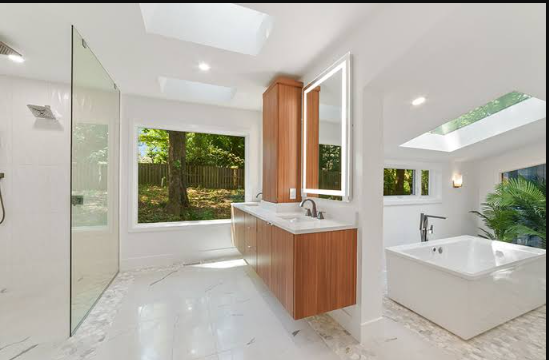
If you want a bathroom renovation completed before family and friends arrive for the holidays, start planning well before the actual work needs to begin.
Homeowners should begin conversations with bathroom remodeling contractors in Northern Virginia early enough to account for design decisions, material availability, permits, and potential scheduling changes.
Build a Realistic Remodeling Timeline
A renovation schedule should include more than the days when contractors will physically be working inside the home.
Consider the full process:
- Define the scope of the renovation.
- Establish a realistic budget.
- Gather design ideas and measurements.
- Request estimates from qualified contractors.
- Finalize the design and materials.
- Account for permits and inspections where required.
- Order products with longer lead times.
- Schedule the work.
- Leave room for unexpected issues.
- Plan the final cleanup and finishing touches.
The earlier these decisions are made, the easier it is to identify potential scheduling problems.
Order Long-Lead Materials Before Work Starts
One common mistake is scheduling a project around the contractor’s availability without considering whether the necessary materials will arrive on time.
Certain fixtures, specialty tile, cabinets, doors, windows, and custom products can take longer to receive. If a critical item is delayed, even a well-planned project can be pushed back.
Ask your contractor which materials should be selected and ordered first. If you are responsible for purchasing certain products, confirm dimensions, specifications, delivery dates, and return policies before placing an order.
Leave Buffer Time Before the Holidays
A renovation scheduled to finish two days before Thanksgiving or a holiday gathering leaves very little room for problems.
Unexpected discoveries are possible during remodeling. Materials may arrive late, additional repairs may become necessary, or a subcontractor’s schedule may change.
Instead of targeting the actual holiday as your completion date, aim to finish several weeks earlier when possible. That gives you time to:
- Complete touch-ups
- Clean the space
- Replace or rearrange furniture
- Address minor defects
- Deal with delayed materials
- Adjust to unexpected changes
A buffer is especially valuable when the project affects a room that guests will use.
Coordinate Multiple Projects Carefully
If you are planning several improvements, think about how one project affects another.
For example, removing a stump before installing landscaping makes more sense than completing the landscaping first. Similarly, repairing a wall or plumbing issue should generally happen before final painting or installing finished surfaces.
Coordinating work in the right order can reduce duplicated labor and prevent newly completed areas from being damaged by later work.
Make Your Contractor Calls Now
Late summer is a useful checkpoint for homeowners who want to finish projects before the end of the year. You do not necessarily need every detail finalized immediately. Still, you should know which projects matter most and start conversations with contractors early.
Before committing, confirm the scope of work, estimated timeline, payment schedule, material responsibilities, permit requirements, and what happens if weather or unexpected conditions cause delays.
Most importantly, avoid choosing a contractor solely because they can start immediately. A clear scope, realistic schedule, appropriate experience, and professional communication are more important than simply getting the earliest possible start date.
Plan Now, Enjoy Fall Later
Fall home projects become much easier to manage when they are planned before contractor calendars fill up. Outdoor cleanup, landscaping preparation, exterior repairs, and interior renovations all benefit from early scheduling.
By reviewing your priorities in August, addressing outdoor obstacles while conditions remain favorable, ordering materials early, and building realistic time buffers into interior renovations, you can reduce last-minute pressure.
The goal is not to complete everything at once. It is to identify what has a genuine deadline, schedule those projects first, and give each contractor enough time to do the work properly. A little planning now can leave you with a more comfortable, functional home when the holiday season arrives.