

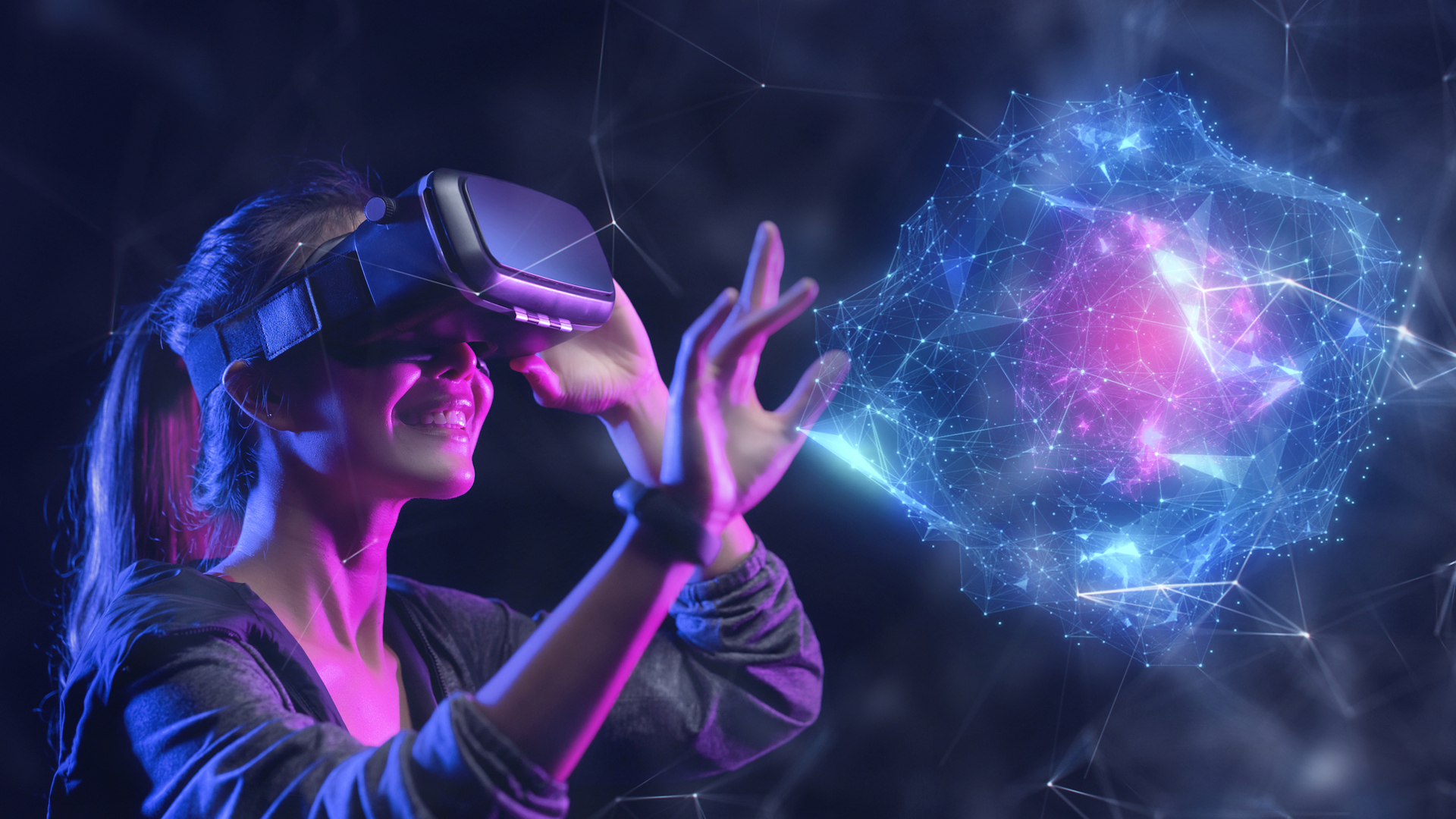

Virtual reality gadgets are already commonplace tools that improve digital experiences in entertainment, education, healthcare, and even commercial processes; they are no longer just found in science fiction films or gaming studios. By mimicking real or imagined worlds, these gadgets produce immersive settings that let users virtual reality devices connect organically. The development of virtual reality gadgets, such as haptic gloves and VR headsets, is propelling a global trend toward more interactive technologies. These gadgets are paving the way for a future where industries transform and the digital and physical worlds coexist harmoniously.
Development of Virtual Reality Equipment
Simple head-mounted displays created decades ago marked the beginning of the development of virtual reality gadgets. Prototypes in the early stages were large, had poor visual quality, and were primarily available to researchers or specific industries. These gadgets are now lightweight, user-friendly tools thanks to developments in computing power, graphics processing, and motion tracking throughout time. High-resolution screens, wireless connectivity, and sensitive sensors that precisely detect head and body movement are now features of contemporary virtual reality equipment. They are now more widely available, more reasonably priced, and appropriate for a variety of sectors outside of entertainment thanks to this development.
Virtual Reality Device Types
There are various types of virtual reality gadgets, each with a distinct function. The most widely used displays are head-mounted ones, which provide rich audio and visual experiences. On the other hand, mobile VR systems are affordable and portable because they integrate with smartphones. For more complex uses, tethered VR systems provide real-time interactivity and high-quality images by connecting virtual reality devices connecting to powerful PCs or gaming consoles. By encouraging touch and movement, extra peripherals like motion controllers, VR treadmills, and haptic gloves enhance the immersive experience even more. The variety of technologies available to fulfill user needs is reflected in these kinds of virtual reality gadgets.
Uses for Virtual Reality Equipment
Applications in a variety of industries are where virtual reality gadgets truly shine. VR headsets enhance conventional gaming by giving users access to realistic and interactive environments. Students can investigate historical sites, virtual labs, and 3D simulations in the classroom, which enhances student engagement. Virtual reality equipment are used by medical professionals for patient rehabilitation, therapy, and surgical training. VR-powered meetings, product design visualization, and immersive training initiatives are also advantageous to businesses. Virtual reality technology is revolutionizing how various businesses interact with their audiences, from real estate to tourism.
Advantages of Virtual Reality Equipment
Devices for virtual reality have several advantages, particularly when it comes to producing realistic and captivating experiences. By making realistic simulations possible without the dangers of the actual world, they improve learning. These tools give medical professionals the ability to rehearse difficult procedures in a safe virtual setting, which improves accuracy and confidence. Through the replication of real-world situations, the reduction of errors, and the reduction of expenses, virtual reality devices help firms enhance employee training. Because these gadgets immerse users in sports arenas or fantasy realms, providing experiences that traditional media cannot match, entertainment also flourishes. These benefits show why virtual reality gadgets are quickly becoming essential tools in today’s world.
Virtual Reality Device Difficulties
Virtual reality systems have various drawbacks despite their increasing popularity. Even high-quality systems can be costly, which prevents many users from using them. Powerful PCs or consoles are needed for some gadgets, which raises the total cost. Motion sickness, which can be brought on by slow motion tracking or subpar graphics, is still an issue with extended use. Furthermore, some virtual reality gadgets have large, unwieldy designs that make them uncomfortable for prolonged use. Making sure that realistic content production aligns with the capabilities of the technology presents another major problem. For virtual reality devices to become widely used, several obstacles must be removed.
Upcoming Developments in Virtual Reality Equipment
Virtual reality gadgets have a bright future ahead of them, since ongoing technological developments will influence their expansion. With the advent of wireless VR systems, cords are no longer an issue. By customizing experiences to each user’s preferences, the incorporation of artificial intelligence will make these gadgets smarter. It is anticipated that cloud-based VR would enable high-quality experiences without the need for powerful local gear. Additionally, augmented reality and virtual reality gadgets will increasingly combine to create mixed-reality experiences that provide opportunities in entertainment, healthcare, and education. Virtual reality gadgets will become a necessary part of daily life as these trends develop.
Table: Virtual Reality Device Comparison
| Type of VR Device | Features | Best Use Case |
|---|---|---|
| Mobile VR Headset | Smartphone integration, portable | Entry-level entertainment |
| Tethered VR System | High-resolution, powerful processing | Gaming, design visualization |
| Standalone VR Headset | Built-in processors, wireless use | General immersive experiences |
| Haptic Gloves | Simulates touch and feedback | Training, simulations |
| VR Treadmill | Tracks walking/running movements | Fitness, gaming immersion |
In conclusion
By providing realistic and interactive experiences across a wide range of sectors, virtual reality devices have completely changed how consumers interact with digital worlds. Their impact keeps growing in a variety of fields, including gaming, healthcare, education, and business. The development of virtual reality gadgets suggests that immersive technology will eventually become as ubiquitous as smartphones, despite obstacles like cost and accessibility. Rapid developments in wireless technologies, artificial intelligence, and content creation will enable virtual reality gadgets to revolutionize entertainment, education, and human connection in ways we can’t yet fully comprehend.